Helping Earthquake Survivors Rebuild Their Homes Before Winter: Noto Peninsula Earthquake
17/11/2026
Nearly three years have passed since the devastating Noto Peninsula Earthquake struck Ishikawa prefecture Yet many survivors are still struggling to rebuild their lives and homes. AAR Japan (Association for Aid and Relief, Japan) continues to support those facing the greatest challenges, particularly older adults, people with disabilities, and low-income households. Yanagimachi, based at AAR’s Noto Office, reports from the affected area.
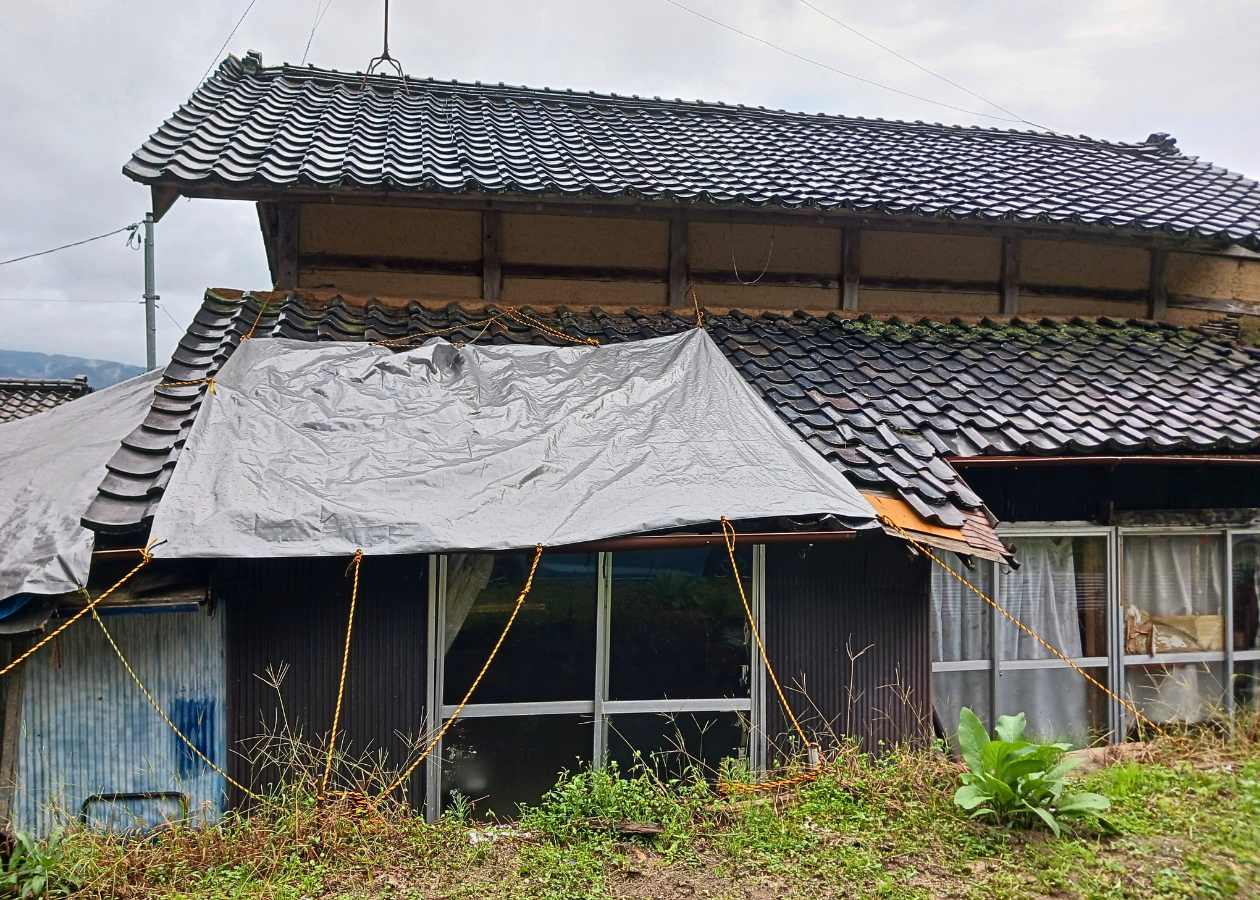
A home remains unrepaired nearly three years after the earthquake
Complex Procedures Place Heavy Burdens on Older Adults and People with Disabilities
According to the Ishikawa Prefectural Government, as of October 1, 2026, 13,778 people from 7,075 householdfs were still living in temporary housing, including prefabricated units and privately rented apartments subsidized by the government. Although approximately 3,000 permanent public recovery housing units are planned, construction is still underway for most of them, and only a limited number began accepting residents in September.Many people continue to live in damaged homes.
The national and local governments have established various assistance programs, including grants to help disaster survivors rebuild their lives and special financial support for households that include older adults or people with disabilities. However, these systems are often complicated. Eligibility requirements vary, application procedures can be difficult to understand, and receiving one form of assistance may affect eligibility for another.
As a result, many survivors do not apply for available support because they are unsure whether they qualify, which program is most suitable, or what documents are required. For people with disabilities, elderly individuals living alone, and financially vulnerable families, simply gathering information or completing paperwork can be a significant obstacle, delaying their recovery.
A Two-Year Journey to Restore Water Access
AAR receives referrals from local social welfare councils and disability service providers and visits households experiencing these challenges. We assess each family’s living conditions, housing damage, and support needs. Based on these assessments, AAR explains available assistance programs, accompanies survivors to government offices, helps prepare applications, and coordinates with contractors responsible for repair work. When public support is difficult to access, AAR also works with technical organizations specializing in housing preservation to provide emergency repairs.
Rebuilding a home is often a lengthy process.One woman in her seventies with a psychosocial disability relied on spring water for her household needs. The earthquake damaged the pump that supplied her water, leaving her without a reliable source of water for daily life. AAR informed her about a government program that allows eligible survivors to receive emergency repairs free of charge under Japan’s Disaster Relief Act. We helped investigate the damage, obtain repair estimates, and prepare the required documents.However, the process was far from straightforward. The emotional toll of the disaster repeatedly affected her motivation, and it ultimately took two years before the application was finally submitted.
Some Survivors Continue Living in Severely Damaged Homes
AAR is also supporting siblings in their seventies who have intellectual disabilities. Their home was classified as having sustained major partial damage. Large gaps have opened in the walls, and they have been covering leaking sections with tarpaulins to keep out the rain. Because they were not using disability welfare services or long-term care programs before the earthquake, they remained largely outside existing support networks and had little contact with public assistance systems.
Although they applied for a government-funded emergency repair program, repairs never moved forward because they were worried about potential out-of-pocket costs and did not know which contractors they could trust. Together with partner organizations, AAR conducted a detailed assessment of the damage to the roof and exterior walls. As winter approaches, we will help arrange urgent repairs and connect the siblings with local support agencies so they can access additional services and assistance programs.
Rebuilding Lives Through Long-Term Support
Challenges like these cannot be resolved through a single visit. Recovery requires patience, trust, and ongoing engagement. By listening carefully to survivors’ wishes and supporting them step by step, AAR helps individuals navigate the long and often overwhelming path toward rebuilding their lives.To date, AAR has assisted more than a dozen households in Nanao City and Nakanoto Town. Working closely with local partners and public agencies, we will continue to deliver personalized support to earthquake survivors across the affected region.
Our goal is not only to help people restore safe and secure living conditions, but also to strengthen the networks of support around them. By connecting survivors with local services and community organizations, we aim to ensure that they have stronger support systems than they did before the disaster. As recovery efforts continue, we sincerely ask for your support for AAR Japan’s assistance programs for survivors of the Noto Peninsula Earthquake.
Please support
We appreciate your kind donation for our emergency relief efforts in Noto Peninsula Earthquake.