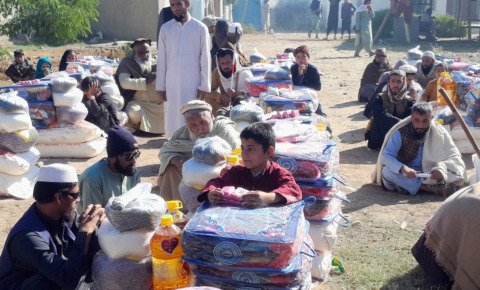
Delivering Relief Supplies to Visually Impaired Disaster Survivors: Afghanist...
- #Emergency Support
- #Disaster Relief
- #Afghanistan
07/01/2026
Area
652,225 square kilometers
Population
38.9 million (World Population White Paper, 2020)
Capital
Kabul
Ethnicity
Pashtuns, Tajiks, Hazaras, Uzbeks, etc.
Language
Dari and Pashto (official languages)
Religion
Islam (mainly Sunni, but Hazara are Shia)
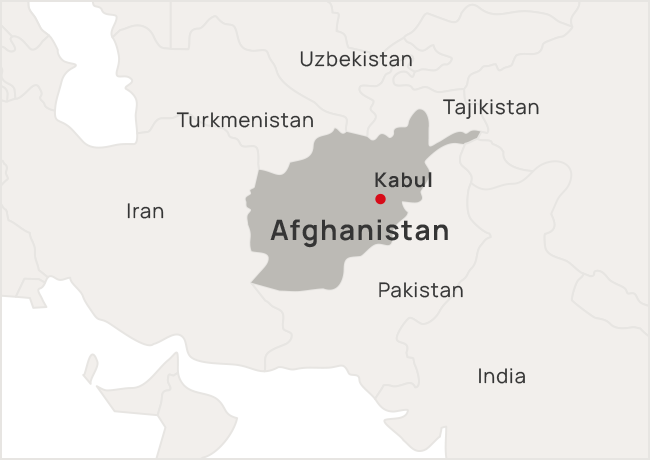
Since the invasion of the former Soviet Union in 1979, many landmines and unexploded ordnance have been found in various parts of Afghanistan, and since the 2010s, the use of improvised explosive devices (IEDs)* has become more frequent, increasing the risk of damage to people. In addition, the rights of people with disabilities, including landmine victims, are not sufficiently guaranteed, and many people with disabilities are unable to receive basic education, medical care, and welfare services.
*IEDs: Improvised Explosive Devices, which can be manufactured from familiar objects such as polyethylene tanks and cans. The number of damage is increasing every year.
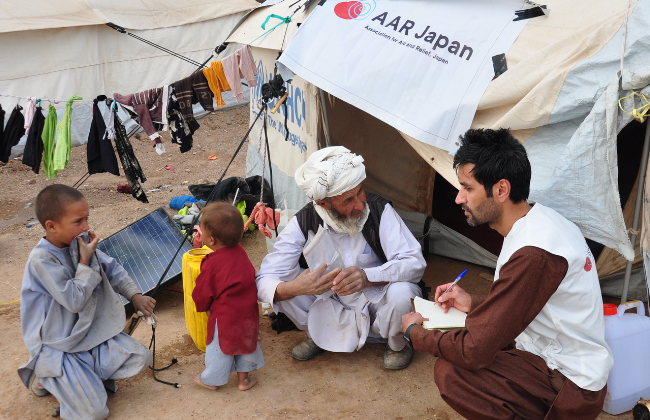
Conducting interviews
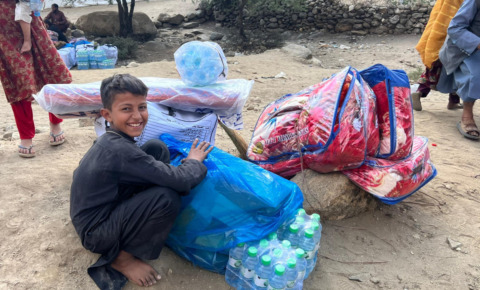
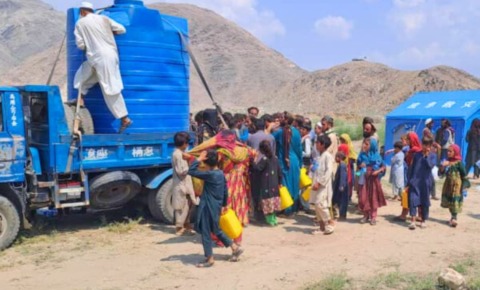
In October 2023, a major earthquake struck Herat province, impacting over 43,000 people, AAR is currently distributing food, hygiene products, blankets, and other essential items to those most vulnerable, including households with persons with disablities or elderly members among the affected population.
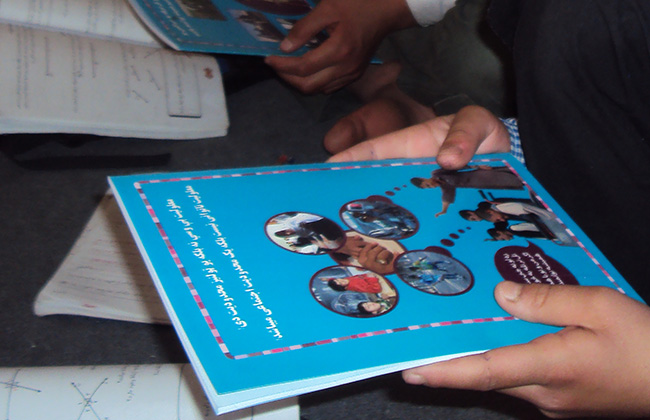
Children receive educational materials prepared from AAR on how to protect themselves from landmines.
AAR Japan is conducting activities to teach people how to avoid being harmed by landmines, unexploded ordnance, improvised explosive devices (IEDs), and other explosive devices. We use posters, short films shown in villages, and radio broadcasts to make it easier for children to understand. We are also working on training local instructors who are in charge of mine avoidance education. And since 1999, we have supported mine and UXO clearance activities through THE HALO TRUST, an organization specializing in demining in the U.K.
2014 - 2021
Promotion of inclusive education
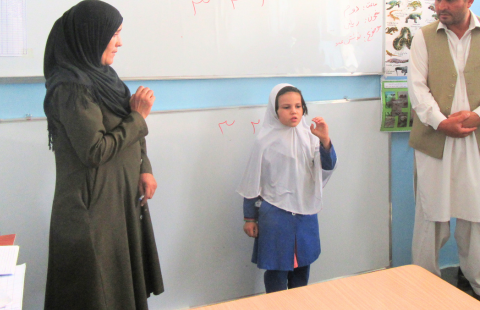
To enable children with and without disabilities to learn together, we have implemented barrier-free facilities in schools, provided support for children with disabilities to enroll and attend school, and Braille textbooks.
2014
Support for flood victims
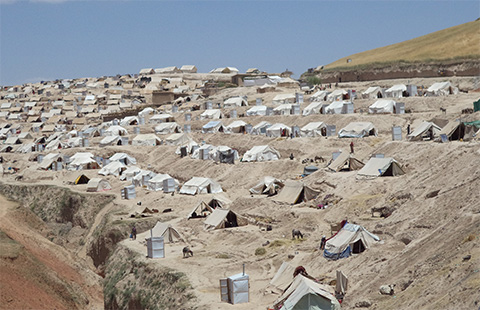
More than 125,000 people were affected by floods and landslides. We distributed mosquito nets and hygiene products in the affected areas.
2002 - 2008
Operation of a
physical therapy clinic
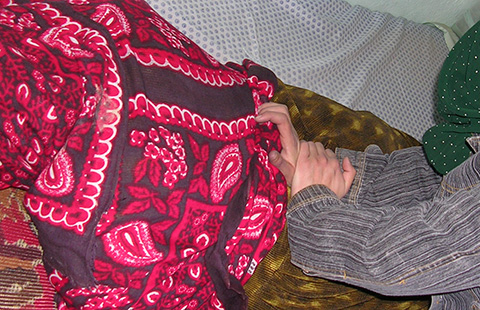
We operated a physical therapy clinic to provide treatment for Afghans with disabilities, with approximately 32,000 people receiving care.
07/01/2026
17/09/2025
12/09/2025

05/09/2025