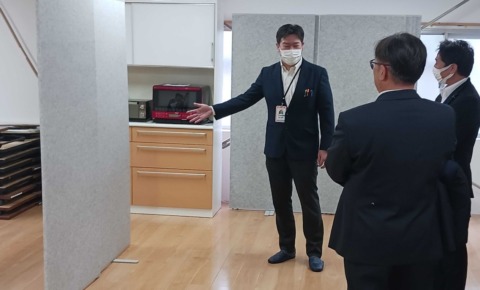
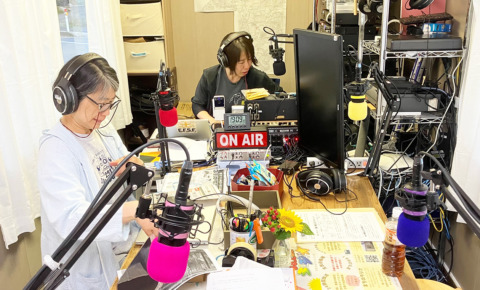
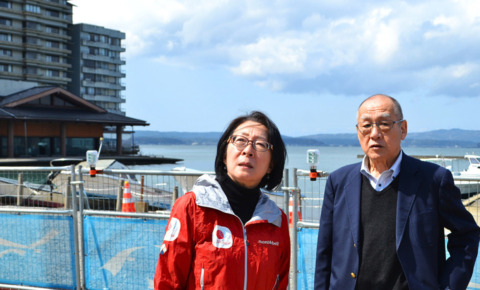
It will soon be two years since the Noto Peninsula Earthquake, and over a year has passed since the Oku-Noto Heavy Rain. At facilities for people with disabilities in the disaster-affected areas, staff members have worked tirelessly to help users regain even a little bit of their daily lives. A workshop aimed at supporting those staff members and others providing such assistance was held with the cooperation of AAR Japan (Association for Aid and Relief, Japan).
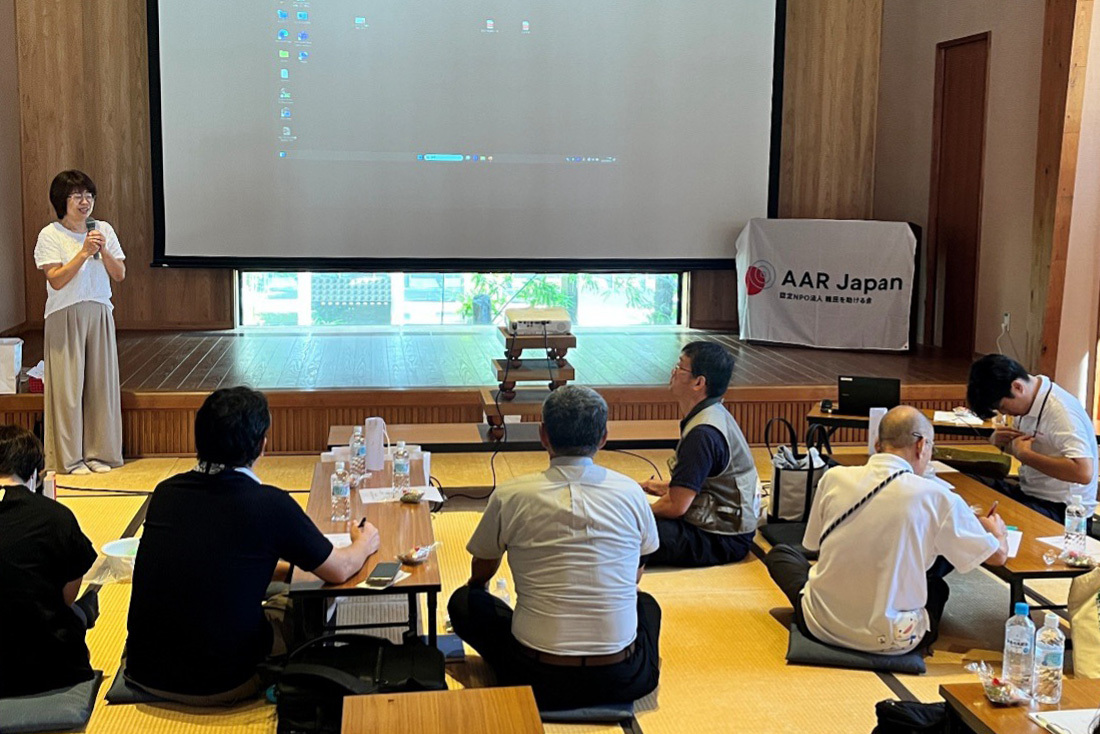
Participants sharing support experiences at the workshop on September 6, 2025
Sharing hardships
The workshop took place in Nanao City, Ishikawa Prefecture. Twenty-four participants from seven welfare facilities in Nanao City, Kanazawa City, Wajima City, Noto Town, and Anamizu Town attended, along with two welfare staff members from Wajima City and Noto Town. The workshop aimed to lighten participants’ burdens by sharing their struggles and daily challenges they often keep to themselves, as well as to help them learn self-care methods.
Wajima KABULET, which operates group homes for people with disabilities from a base in a traditional house in central Wajima City, utilized a cafe space which is managed within the city hall as an evacuation shelter after the earthquake to provide disaster victims with a place to rest. Additionally, they reopened their hot spring facility on January 12th, providing a place of respite for local residents.
Ms. Tabata, a consultation support specialist, shared her experience of being encouraged despite her hardships. “Since the earthquake, we’ve been striving to return to normal life as quickly as possible. When the Oku-Noto heavy rains struck, I felt like I was about to break. Still, seeing so many volunteers actively helping gave me a positive outlook.”
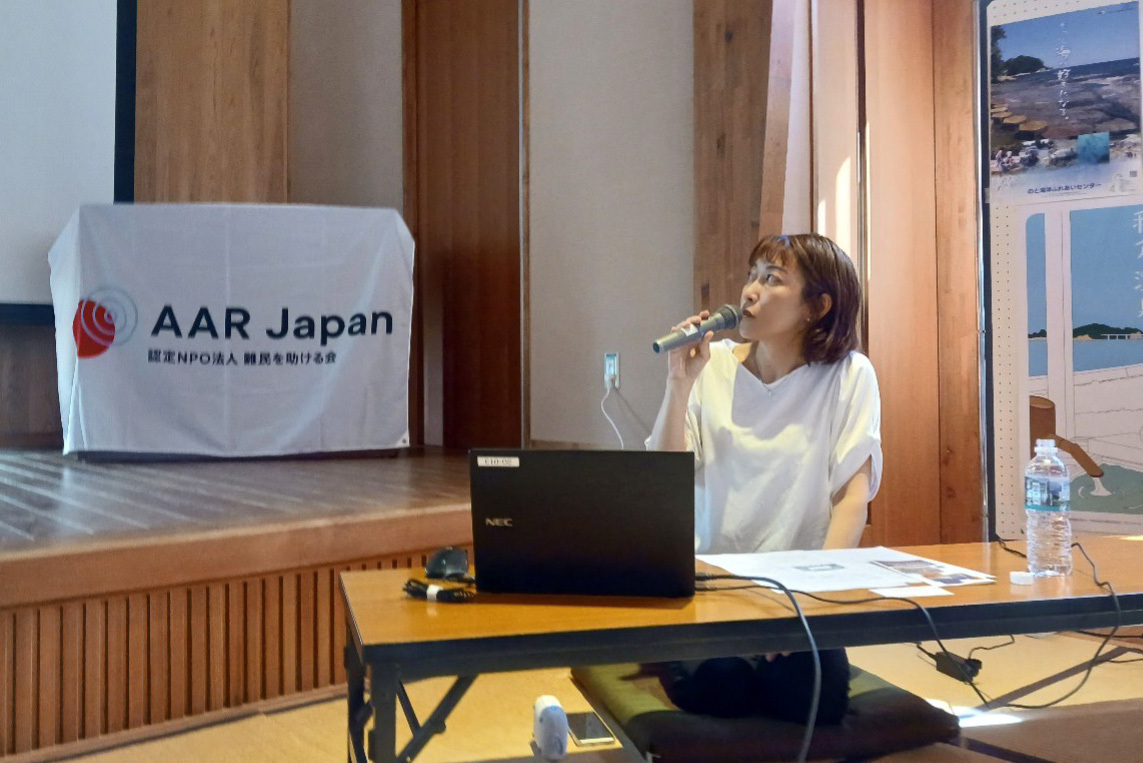
Ms. Terai conducting a lecture on self-care
Supporters themselves deserve support
In the latter half of the workshop, Ms. Terai, a clinical psychologist from Noto General Hospital, spoke on the theme of “Physical and Mental Care,” sharing practical self-care methods. Ms. Terai stated, “Support work in disaster areas involves prolonged periods of constant tension, making it hard to put on the brakes emotionally. Sometimes just changing your perspective can make things easier, so it’s important to stay positive and avoid overthinking the worst.” She emphasized, “It’s crucial to recognize when you’re tired and consciously reset,” introducing practical self-care methods like breathing techniques for relaxation.
After the workshop, a networking session was held over a meal featuring Ishikawa Prefecture’s specialty dish “Tori-Yasai Miso Nabe.” Participants deepened their bonds while sharing the difficulties and feelings they’ve faced since the earthquake. One participant smiled, remarking, “I can’t remember the last time I felt this relaxed.”
Supporters, such as welfare workers, often put themselves last during disasters, frequently leading to mental and physical exhaustion. It was a stark reminder of how vital it is for others to encourage them to rest and to spread the idea that “Supporters deserve support too.” AAR will continue activities in the areas affected by the Noto Peninsula Earthquake.
Please support
We appreciate your kind donation for our emergency relief efforts in Noto Peninsula Earthquake.